Media Do Acquires Seven Seas Entertainment for $80 Million
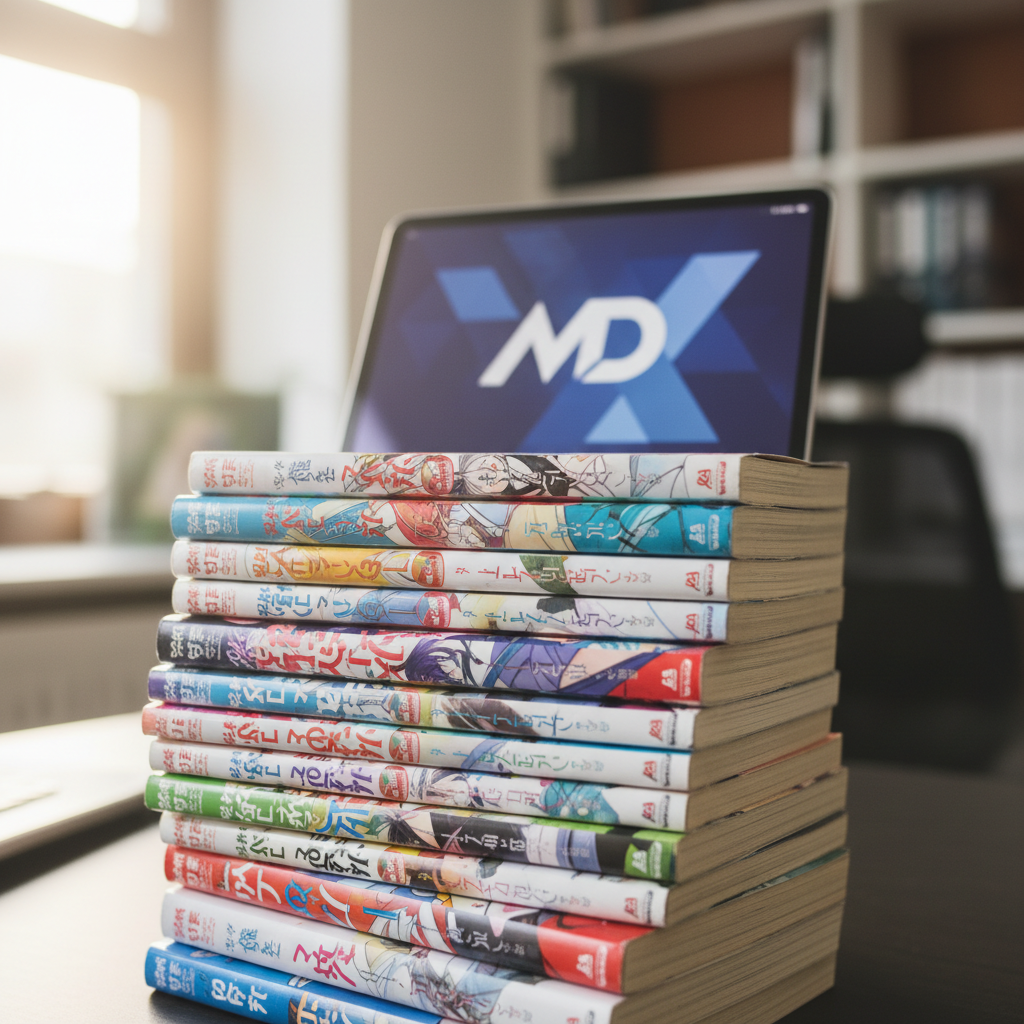
The biggest publishing industry deal to break in the last 24 hours is the acquisition of Seven Seas Entertainment — the largest independently owned manga publisher in the English-language market — by Media Do International, the San Diego-based subsidiary of Tokyo's MEDIA DO Group, Japan's largest e-book distribution company. The purchase price is reported at $80 million USD (approximately ¥12.4 billion JPY), with the announcement made in the early hours of March 2, 2026 (5:00AM JST). Seven Seas, founded in 2004 by Jason DeAngelis, has licensed and published over 1,300 series and thousands of titles from Japan, China, South Korea, and beyond, spanning manga, light novels, webtoons, danmei, and audiobooks. All Seven Seas print imprints are distributed worldwide by Penguin Random House Publisher Services. The deal carries significant implications for digital publishing. Media Do already owns Firebrand Technologies, NetGalley, and Supadü — giving it a powerful stack of publisher-facing technology and marketing infrastructure. The acquisition of Seven Seas adds a high-volume English-language content operation to that ecosystem. According to reporting by Danmei News, a Nikkei article published alongside the official press release states that Media Do plans to use its own AI to assist translators, reducing manga translation time from the current five to six months per volume to approximately two months, and to increase Seven Seas' annual output from around 1,000 titles to approximately 2,000 titles per year. The official Seven Seas press release does not address the AI translation plans, and the company has not publicly responded to questions about the Nikkei report. The deal is notable for the broader publishing industry as a signal of continued consolidation in the digital and manga publishing space, and for the explicit role AI-assisted translation is expected to play in scaling output post-acquisition. ---
Analysis
The acquisition of Seven Seas Entertainment by Media Do International for $80 million marks a pivotal moment in the global publishing landscape, signaling a deepening convergence of content and technology, particularly within the booming manga and light novel sectors. This deal is not merely a financial transaction but a strategic maneuver by Japan's largest e-book distributor to integrate a high-volume content producer directly into its formidable digital ecosystem. With existing stakes in Firebrand Technologies, NetGalley, and Supadü, Media Do has already built a robust infrastructure for publisher services; adding Seven Seas' extensive English-language catalog and licensing prowess completes a powerful vertical integration, from content creation and translation to distribution and marketing.
What elevates this acquisition beyond typical industry consolidation is the explicit, albeit unconfirmed by Seven Seas, mention of AI-assisted translation as a core strategy for scaling output. The reported plan to slash translation times from five months to two and double annual title releases from 1,000 to 2,000 is nothing short of revolutionary. If successfully implemented, this could fundamentally reshape the economics and timelines of international content localization, setting a new, accelerated pace for the industry. Publishers and authors across all genres will be watching closely to see if this aggressive AI adoption can maintain quality while dramatically increasing volume, potentially forcing a reevaluation of traditional translation workflows.
For publishers, this move by Media Do underscores the imperative to embrace technological innovation, particularly AI, not just as a cost-saving measure but as a strategic lever for market dominance. Those who fail to explore similar efficiencies in content production and localization risk being outpaced by more agile, tech-forward competitors. Authors, especially those in the manga and light novel space, might see new opportunities for faster global reach, but also face questions about the evolving role of human translators and editors in an AI-augmented workflow. The quality and nuance of AI-assisted translations will be under intense scrutiny, directly impacting reader perception and loyalty.
Readers, the ultimate beneficiaries or victims of these shifts, stand to gain access to an unprecedented volume of translated content at a much faster rate. The promise of more manga, light novels, and webtoons hitting the market sooner is undoubtedly appealing. However, the critical question remains whether this speed will come at the expense of translation quality, cultural fidelity, or artistic integrity. A flood of subpar translations could erode trust and diminish the reading experience, highlighting the delicate balance between quantity and quality that Media Do and Seven Seas will need to meticulously manage.
Looking forward, this acquisition serves as a potent harbinger of publishing's future, where technology is not just an enabler but an intrinsic part of content creation and delivery. The explicit integration of AI into the core production pipeline by a major player like Media Do will likely accelerate the broader industry's experimentation with similar tools, from AI-driven manuscript analysis to automated marketing copy generation. This could spark a new arms race in publishing technology, forcing traditional houses to either innovate rapidly or risk becoming relics in a fast-evolving digital ecosystem. The long-term implications for intellectual property rights, creator compensation, and the very definition of authorship in an AI-assisted world will undoubtedly become central debates.
Ultimately, the Media Do-Seven Seas deal is a powerful testament to the growing global appetite for diverse content, particularly from Asian markets, and the strategic importance of digital distribution and technological leverage in satisfying that demand. It signals a future where publishing success is increasingly intertwined with sophisticated tech stacks and aggressive innovation. The industry is entering an era where speed, scale, and digital prowess are paramount, and this acquisition lays down a significant marker for what that future might look like.