Spotify Launches Weekly Audiobook Charts in the U.S. and U.K.
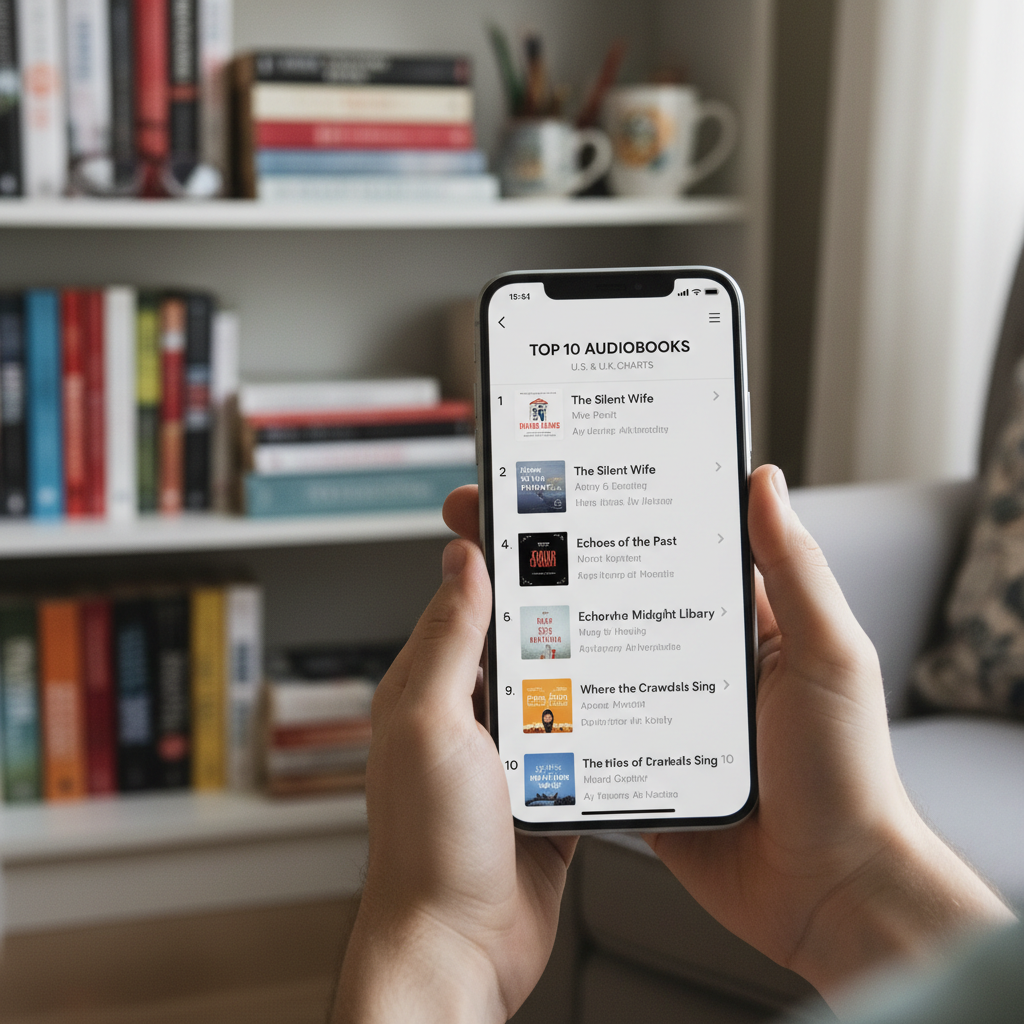
Spotify introduced weekly Audiobook Charts for the United States and United Kingdom on February 27, 2026, with detailed analysis of the launch's implications for publishers appearing this week. The charts — accessible to both Free and Premium subscribers — rank the top audiobooks overall and by genre, drawing on listening behavior and engagement data from across the platform. The move brings audiobook discovery closer in line with how Spotify has long presented music and podcasts: through ranked, publicly visible popularity data. Publishers including Bloomsbury, HarperCollins, and Lagardère have previously credited Spotify with driving double-digit growth in audio sales, and chart placement could now become a meaningful new promotional asset — one that, if it functions as it does in music, allows publishers and authors to build marketing campaigns around chart positions. Spotify's Director of Audiobook Partnerships and Licensing, Duncan Bruce, framed the launch by drawing on the platform's experience in other verticals: The charts build on two features Spotify has rolled out in recent months: Page Match (February 2026), which lets users sync their position between a print book and the audiobook using a smartphone camera scan, and Audiobook Recaps (November 2025), which uses AI to generate short audio summaries of a listener's progress. Both features are designed to reduce listener dropout — the primary metric feeding chart rankings. For publishers, the practical implication is a new promotional surface and a new data signal. An audiobook that breaks into the top 10 on a genre chart gains discoverability not just from the chart itself but from the marketing materials publishers and authors can build around that placement. Spotify's Spotify for Authors platform, launched in November 2024, already provides analytics, audience demographic data, and social media asset generation tools — chart data will flow into those tools directly. ---
Analysis
Spotify's introduction of weekly Audiobook Charts in the U.S. and U.K. marks a pivotal moment for the digital publishing industry, signaling a maturation of the audiobook market and Spotify's deepening commitment to it. By mirroring its successful music and podcast chart models, Spotify is not just offering a new discovery tool; it's fundamentally altering the landscape of audiobook promotion and perceived value. This move validates audiobooks as a standalone, mainstream entertainment vertical, moving beyond their traditional role as a supplementary format to print, and firmly positions Spotify as a dominant force in this rapidly expanding sector.
For publishers, these charts represent a significant new promotional surface and a powerful data signal. The ability to market an audiobook as a 'Top 10 Bestseller' in a specific genre on Spotify, much like a New York Times or USA Today list, provides an invaluable, real-time credential that can drive further sales and listenership. This will undoubtedly intensify competition, pushing publishers to refine their audio production quality, marketing strategies, and perhaps even their acquisition focus to identify titles with strong audiobook potential from the outset. The integration of chart data into Spotify for Authors further empowers creators with actionable insights, blurring the lines between traditional publishing analytics and platform-specific performance metrics.
The implications for authors are equally profound, offering new avenues for visibility and a tangible measure of success beyond traditional sales figures. A high chart placement can translate into increased royalties, enhanced leverage for future book deals, and a stronger personal brand within the audio space. However, it also introduces a new layer of pressure, as authors and their teams will now be acutely aware of their chart performance, potentially influencing content creation towards more 'chart-friendly' genres or narratives. The emphasis on listener dropout as a primary metric for chart rankings also underscores the importance of engaging narration and compelling storytelling from the very first minute.
Readers, too, stand to benefit from enhanced discoverability and a more curated listening experience. The charts will serve as a dynamic guide, highlighting popular and critically acclaimed titles, potentially introducing them to authors and genres they might not have otherwise encountered. This democratization of discovery, driven by collective listening behavior, contrasts with algorithmic recommendations alone, offering a blend of social proof and tailored suggestions. Features like Page Match and Audiobook Recaps, designed to reduce dropout, demonstrate Spotify's commitment to improving the overall user experience, which in turn benefits the entire audiobook ecosystem by fostering more engaged listeners.
Looking forward, this development solidifies the trend of platform-centric content ecosystems. Spotify's strategy, combining discovery (charts), engagement tools (Page Match, Recaps), and creator support (Spotify for Authors), creates a formidable, self-reinforcing loop that could reshape how audiobooks are produced, distributed, and consumed. We can anticipate other platforms, from Audible to Apple Books, to respond with their own innovations in charting and engagement, further intensifying the battle for listener attention. The true winners will be the authors and publishers who master these new dynamics, leveraging data and platform features to connect with audiences in increasingly sophisticated ways.
Ultimately, Spotify's move is a clear declaration of intent: to own a significant share of the global audiobook market. By bringing the transparency and competitive spirit of music charts to audiobooks, they are not just tracking popularity; they are actively shaping it. This will inevitably lead to a more dynamic, data-driven, and consumer-focused audiobook industry, where success is increasingly measured not just by units sold, but by sustained listener engagement and chart dominance across key platforms.